Dancing Shenanigans
A practical Google Sheet helped friends answer a recurring question and keep the next dance within reach.

Digital Product · Community Platform · Ongoing Case Study
What began as a shared list of places to dance became a growing platform designed to help dancers find events, organizers build lasting visibility, and a scattered community see itself more clearly.
The Beginning
More than four years ago, I started a Google Sheet and shared it with friends. We were a lesson group that became known as The Misfits, and the question was always the same: “Where are we dancing after this?” The sheet—called Dancing Shenanigans—helped us keep track of socials, classes, road trips, festivals, and the places where new friendships and memories were taking shape.
The community already existed. The information did not exist in one place. Events were spread across studio websites, Facebook pages, Instagram posts, group chats, text messages, and word of mouth. The spreadsheet solved a small problem for a few friends. One More Dance grew from the realization that the same problem affected dancers and organizers across the region.
A practical Google Sheet helped friends answer a recurring question and keep the next dance within reach.
The scattered-event problem became a larger design challenge: discovery, accuracy, community, and organizer participation.
Early prototypes developed into a live web product with searchable events, profiles, accounts, calendars, and operational tools.
The work now includes organizer onboarding, public-listing research, measured engagement, and a stronger regional event network.
Make a fragmented dance landscape easier to navigate without pretending any single source can be complete or replacing the organizers who create the community.
Finding a dance is not only a search problem. It is a trust, context, and connection problem. People want to know where they belong, what to expect, and who is behind the event.
Founder, product strategist, creative director, UX and content designer, researcher, builder, tester, moderator, and the person translating feedback into the next release.
Two Connected Audiences
One place to discover socials, classes, workshops, festivals, competitions, practice parties, and the communities that make them happen—across styles, experience levels, and locations.
A year-round presence beyond a single event post: community profiles, event publishing, discovery tools, featured opportunities, and evidence of how listings are being seen and used.
Campaign & Visual Language
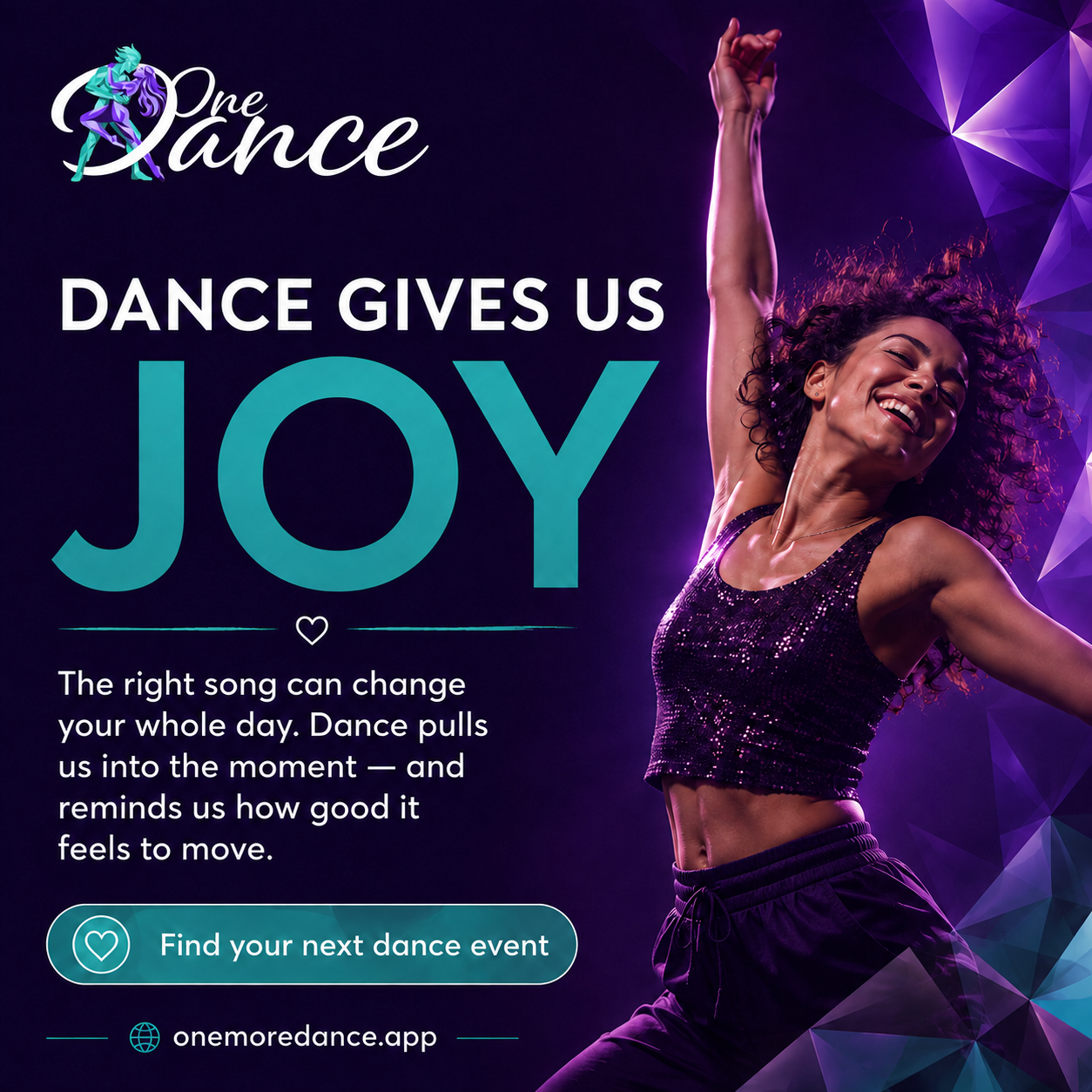
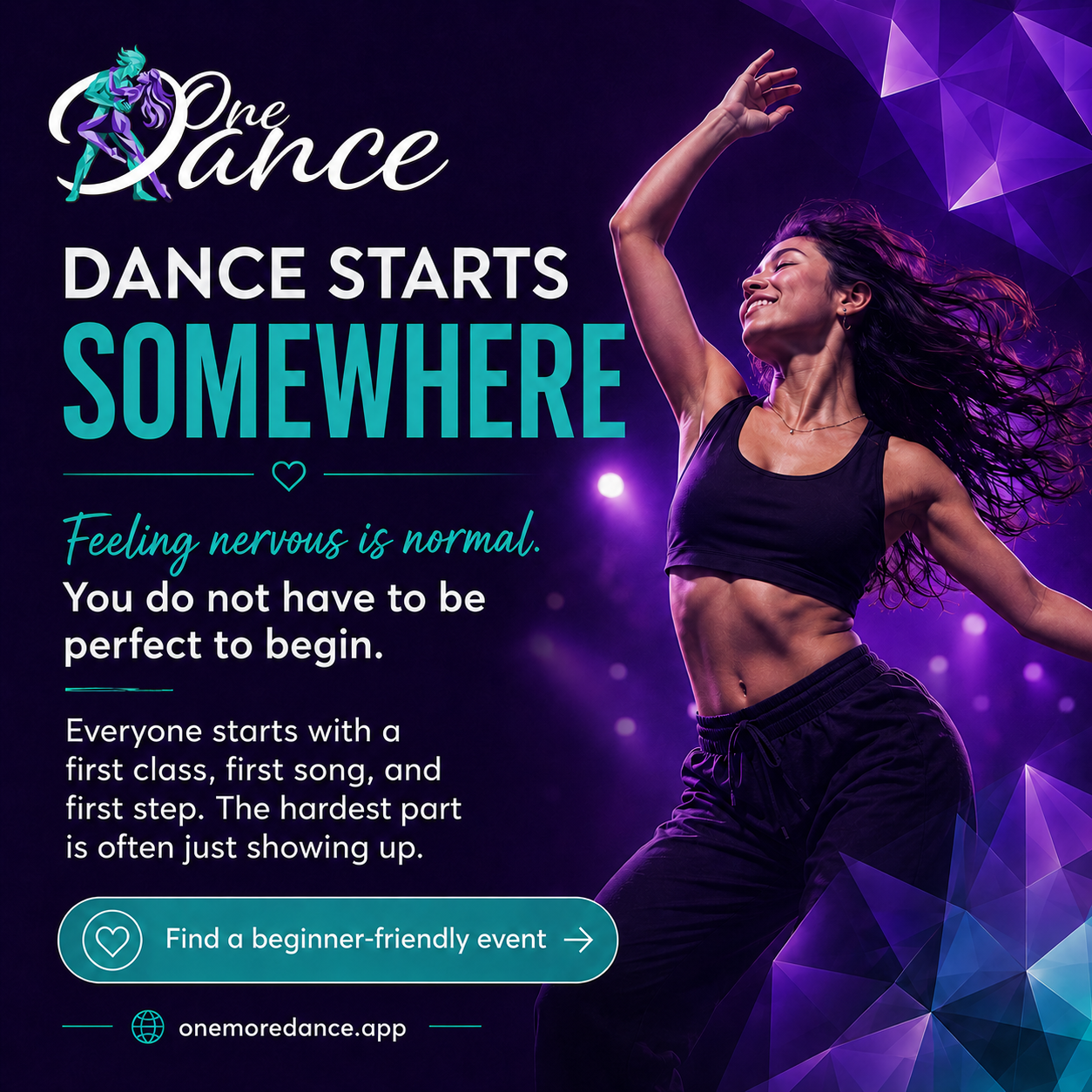
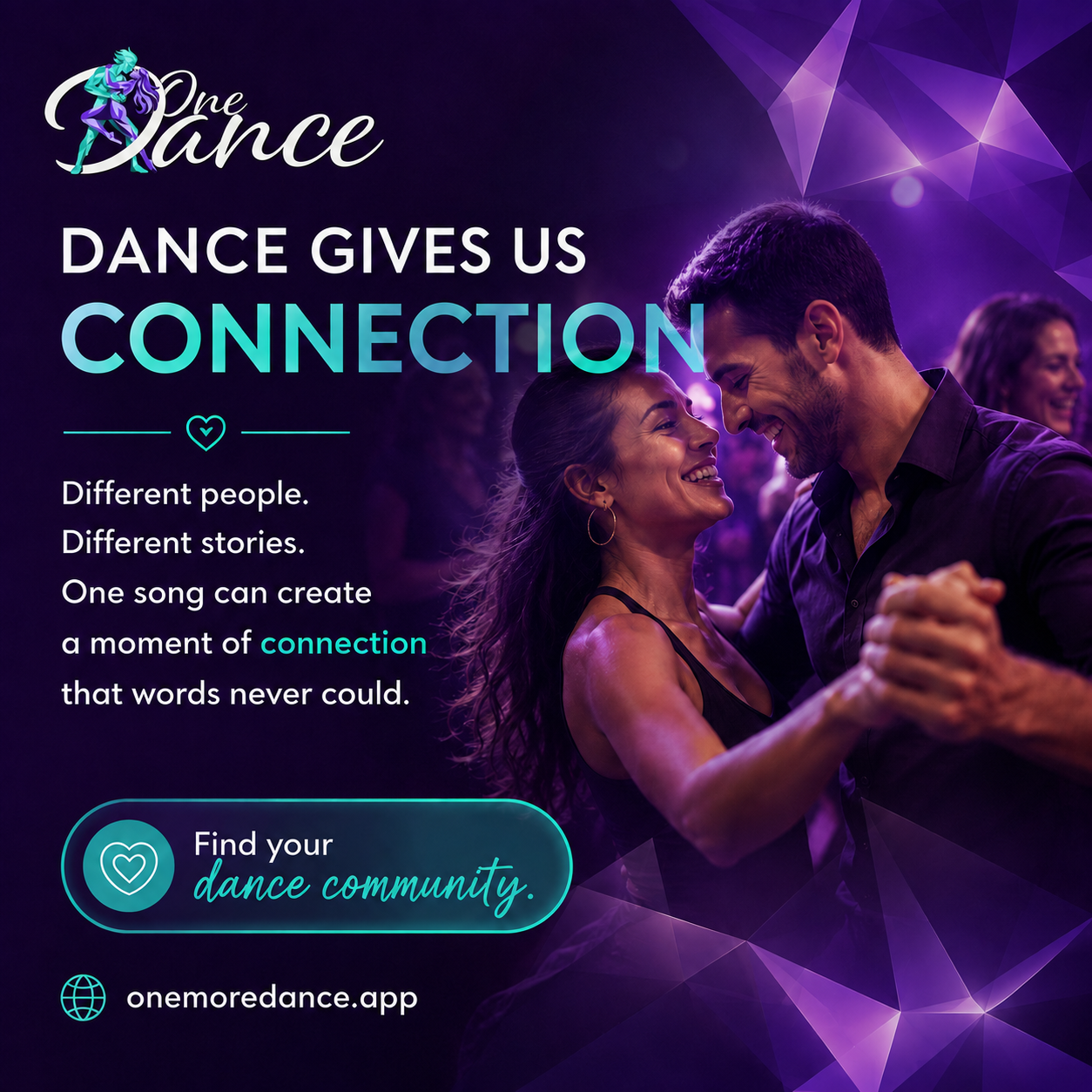
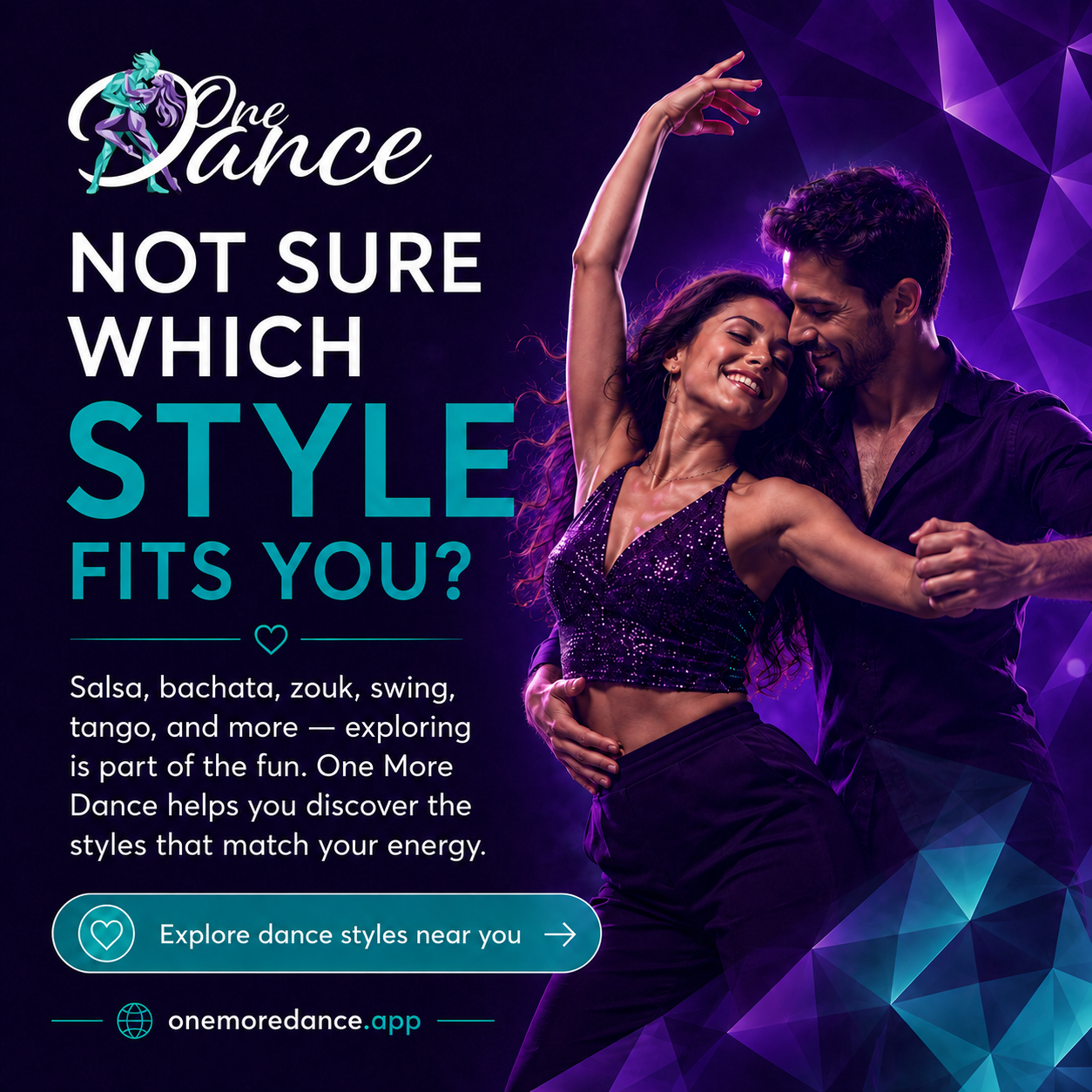
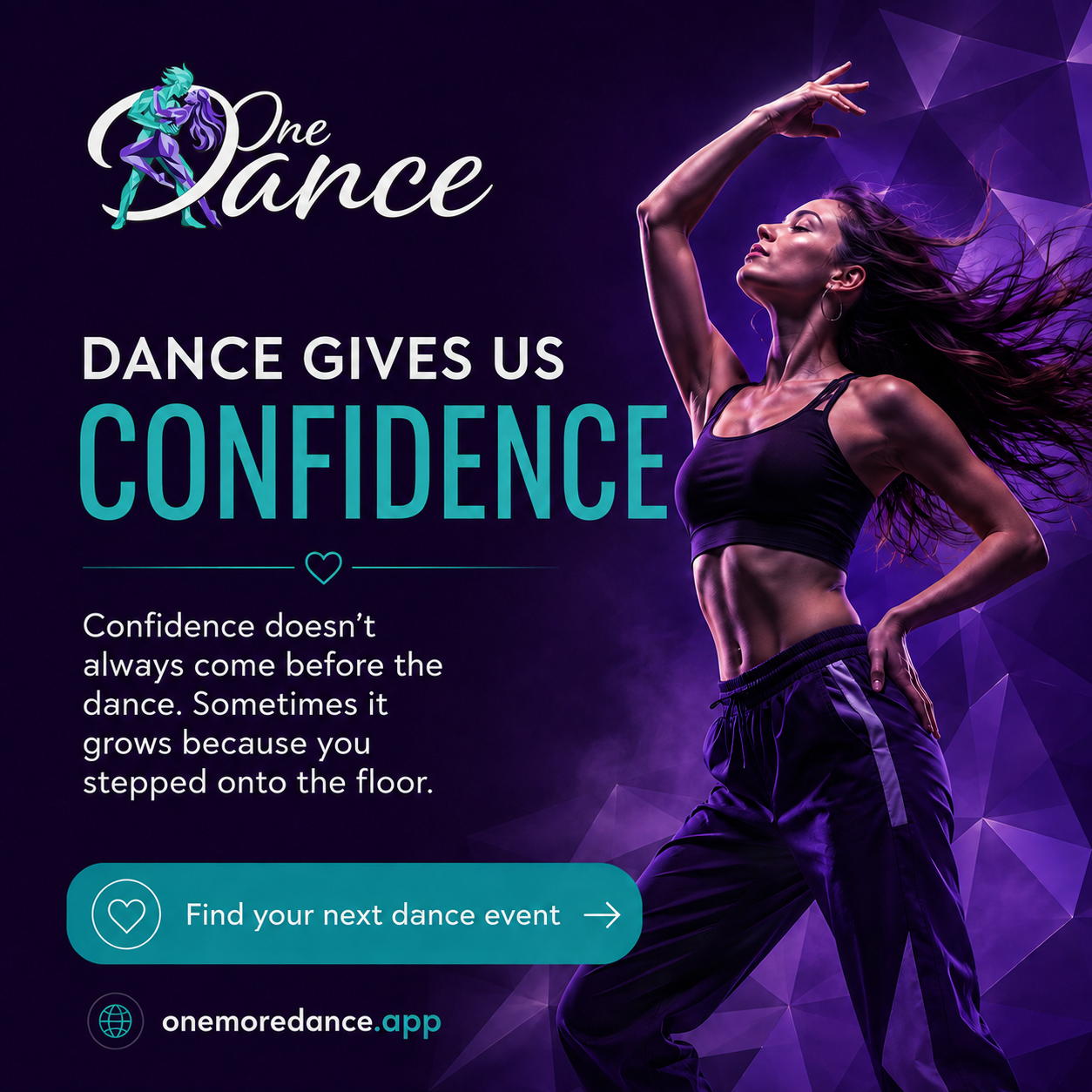
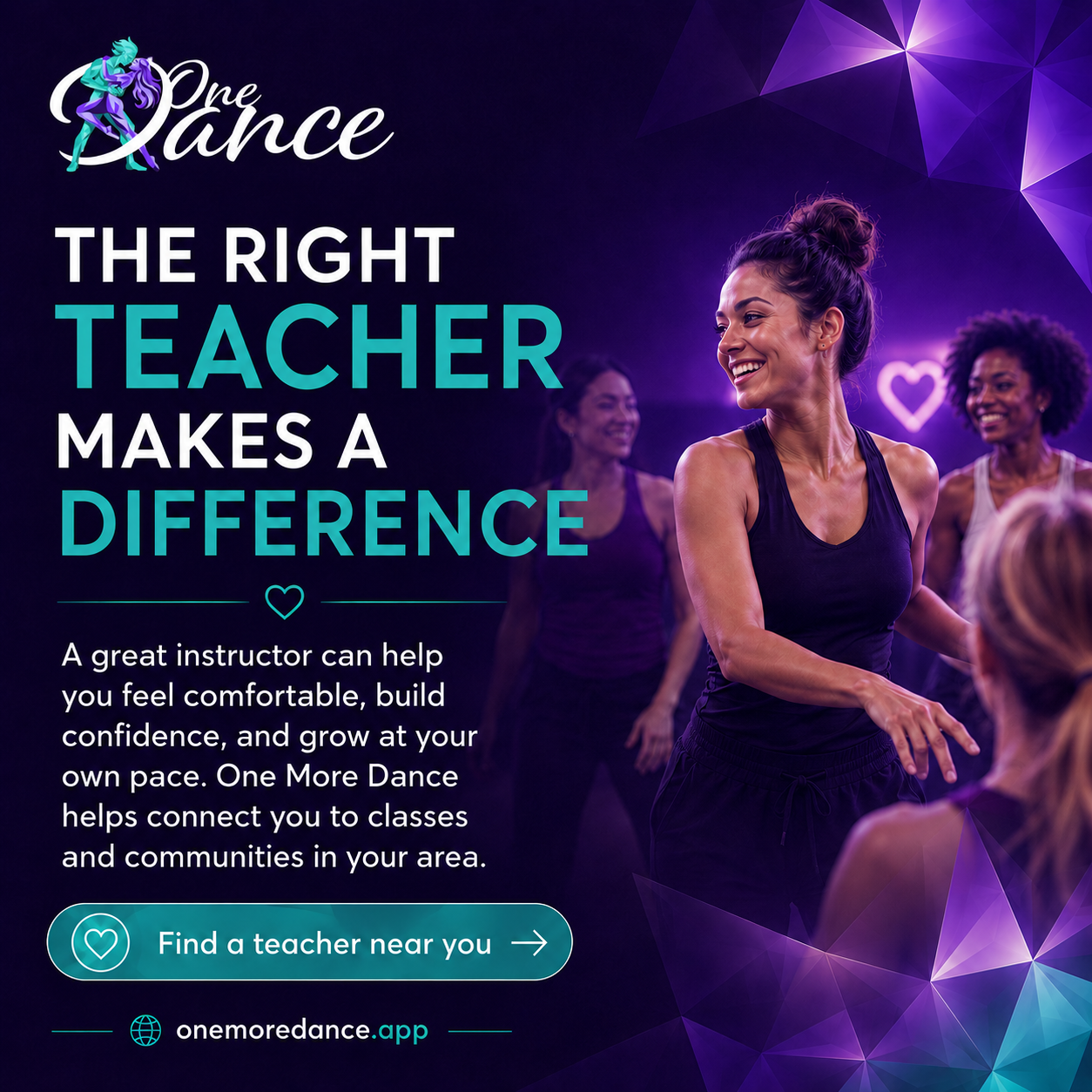
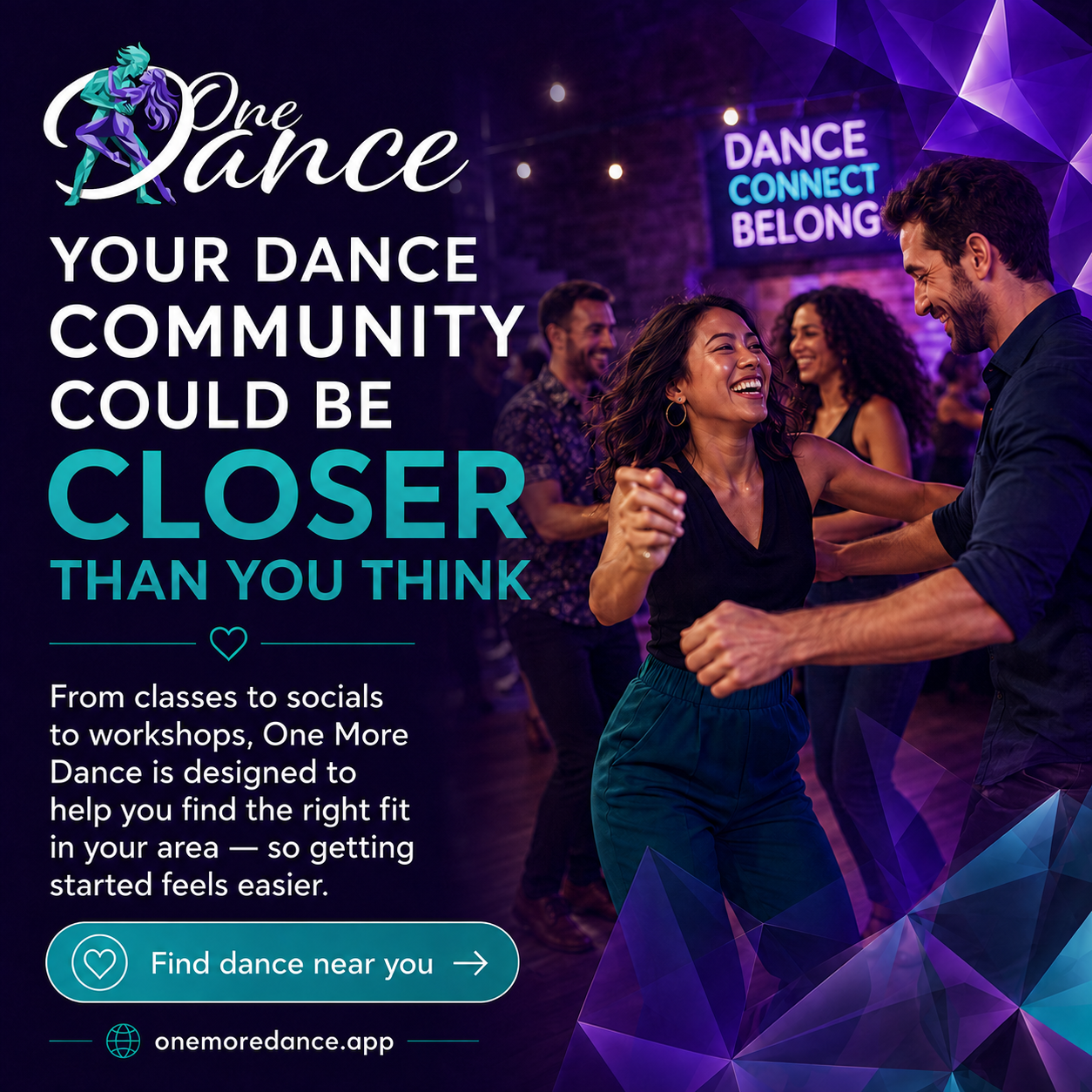
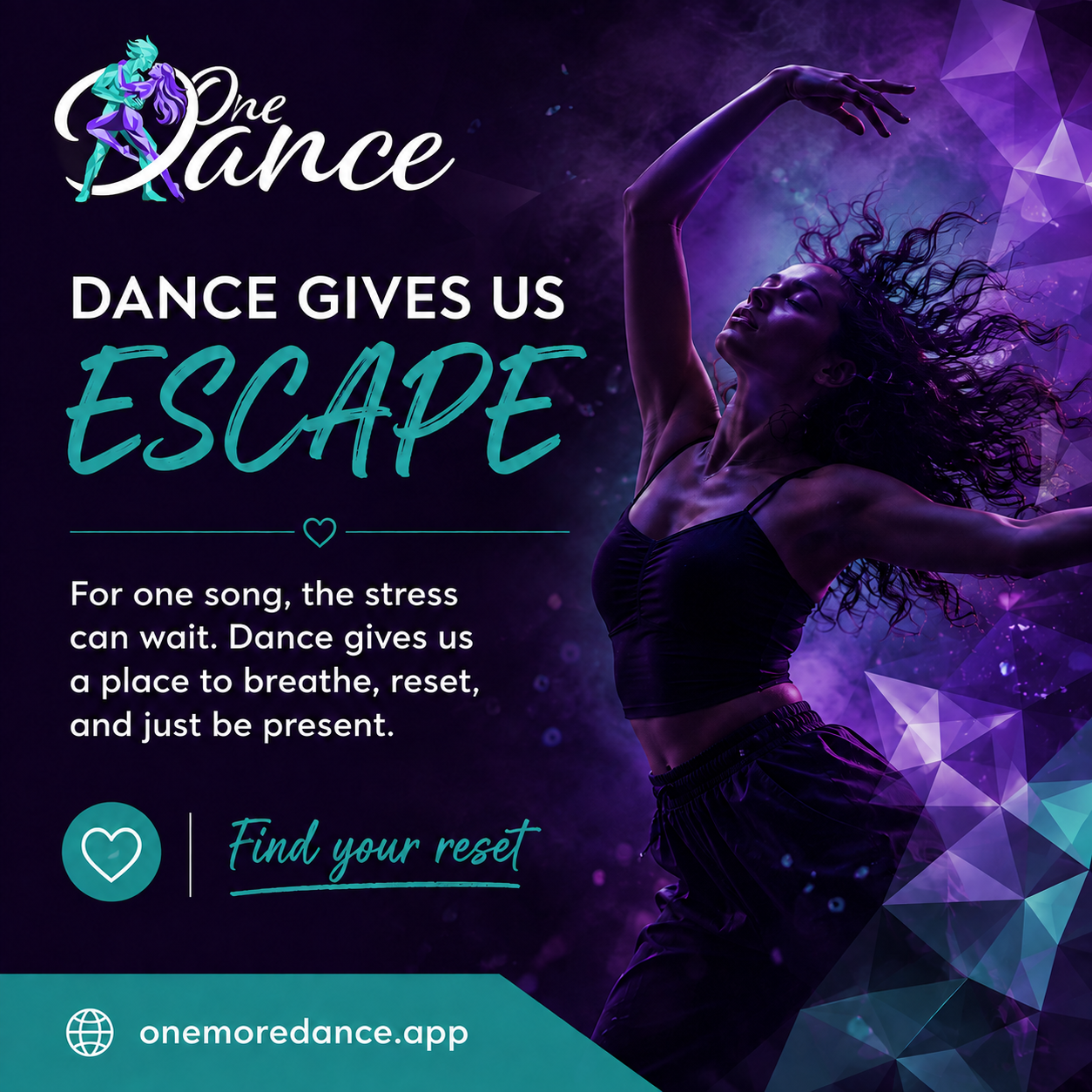
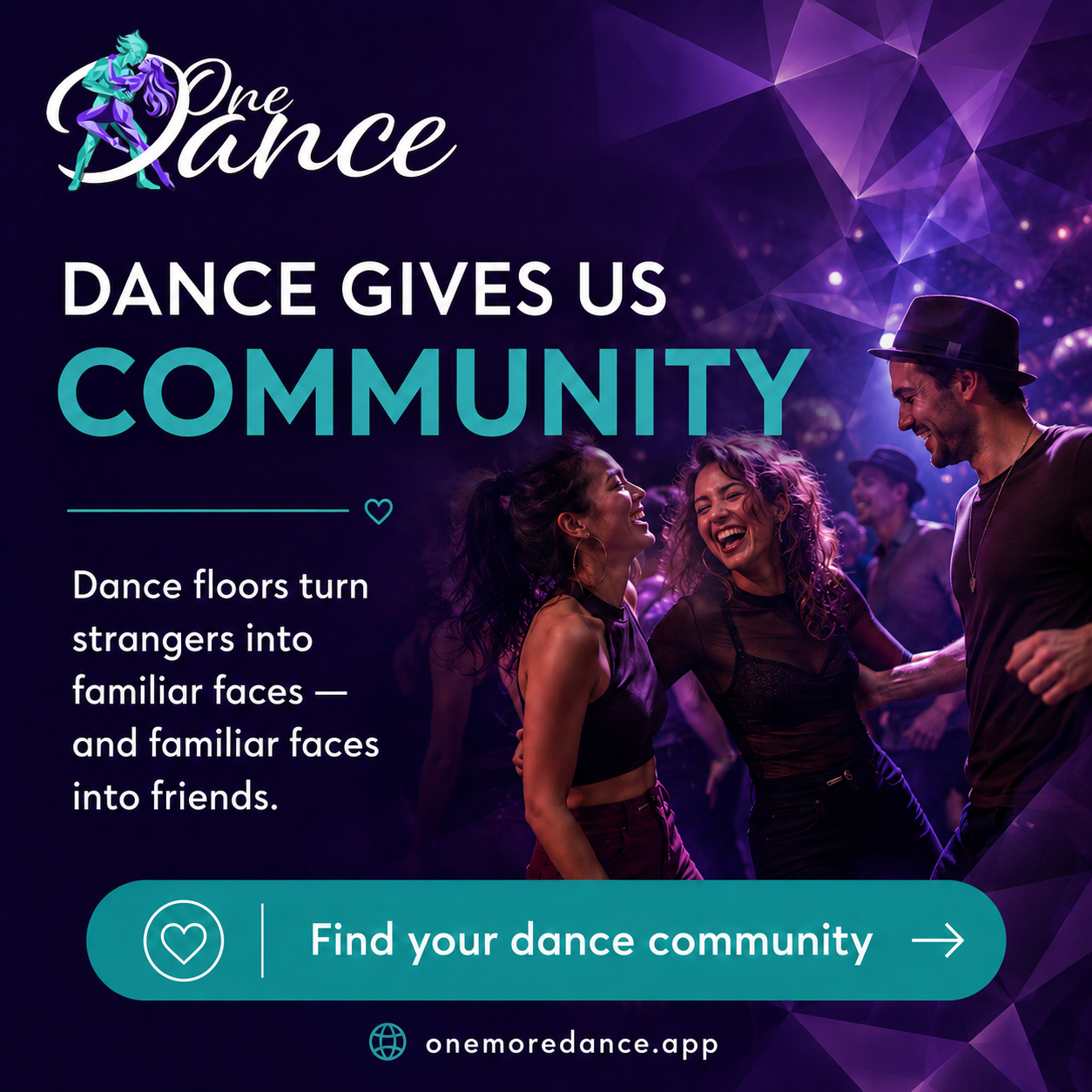
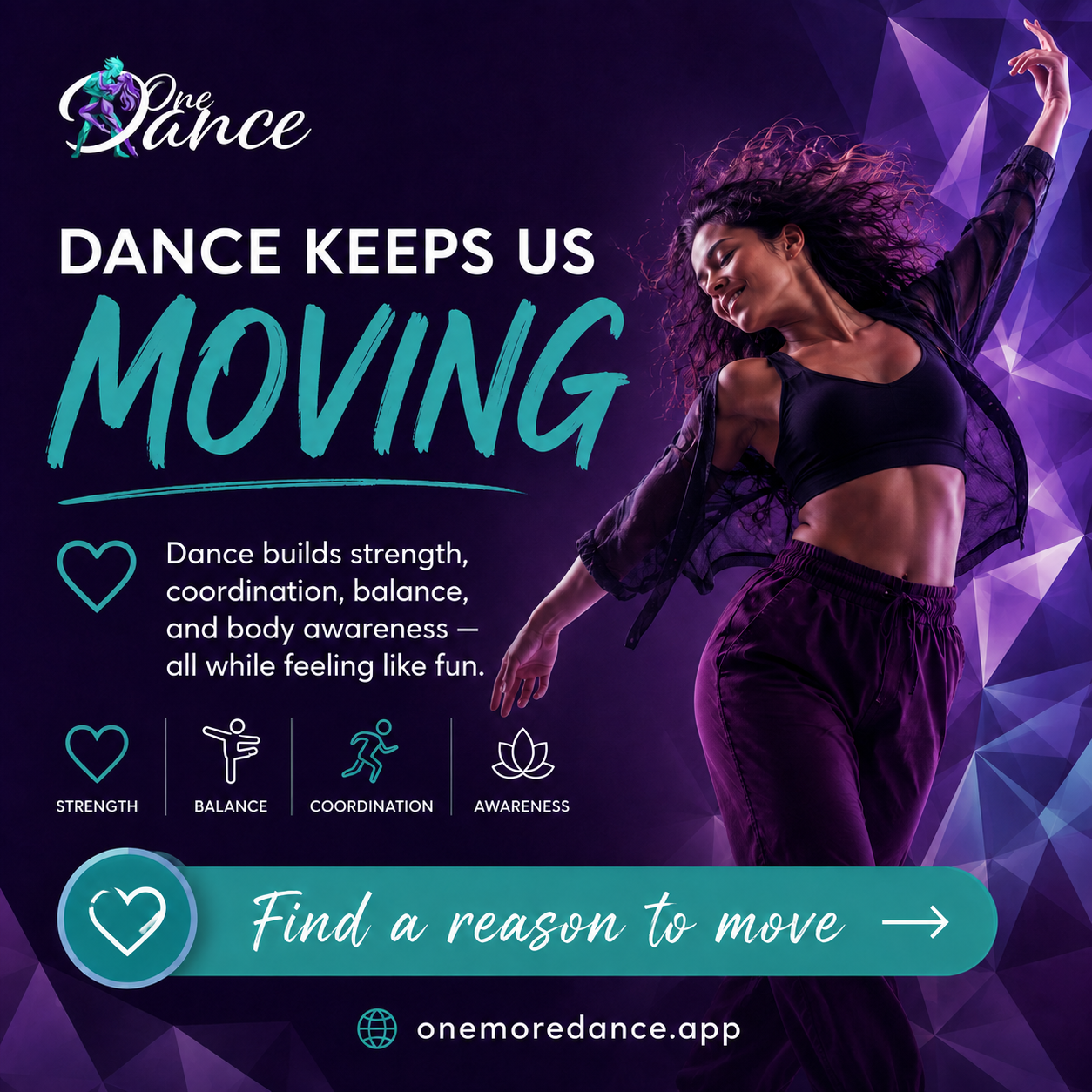
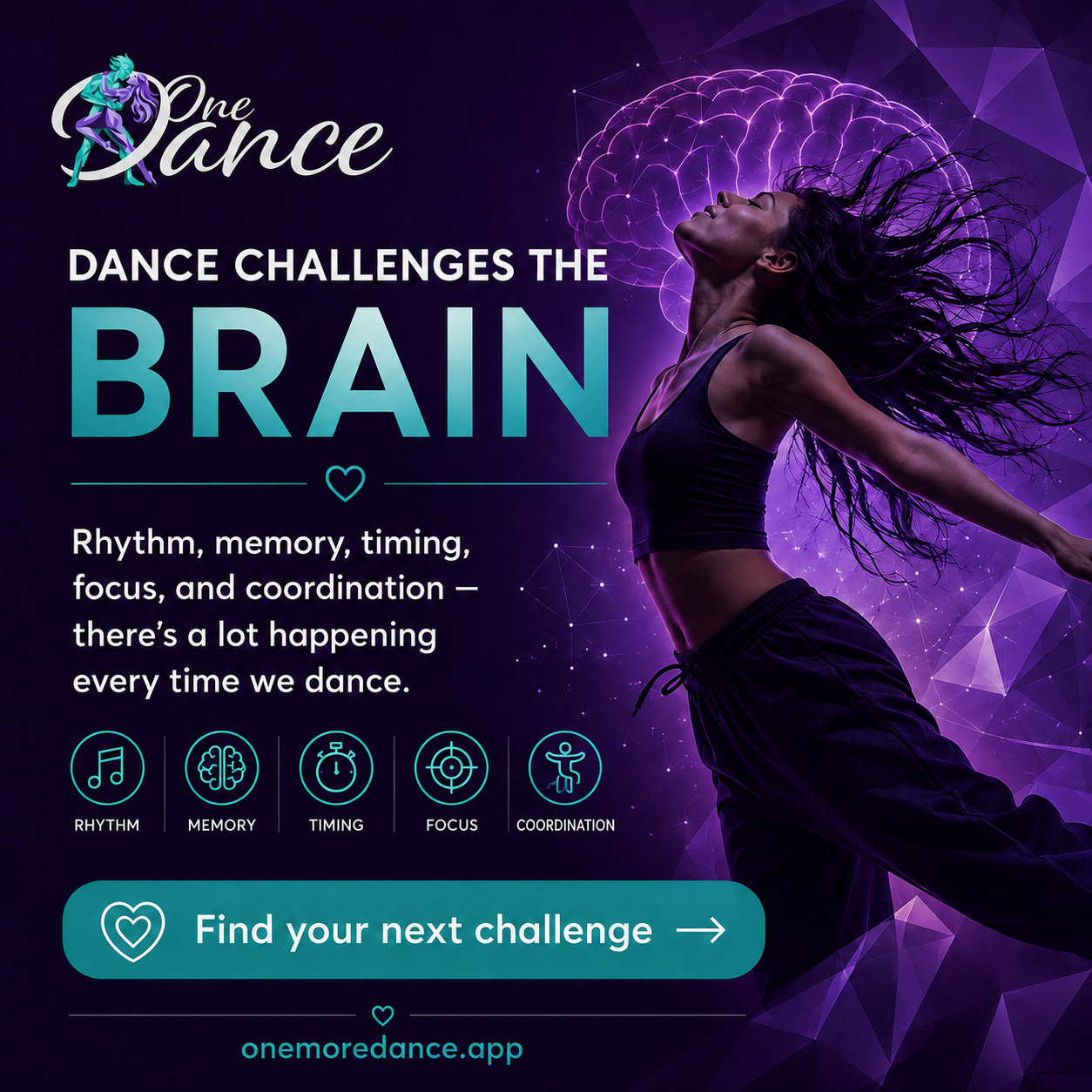
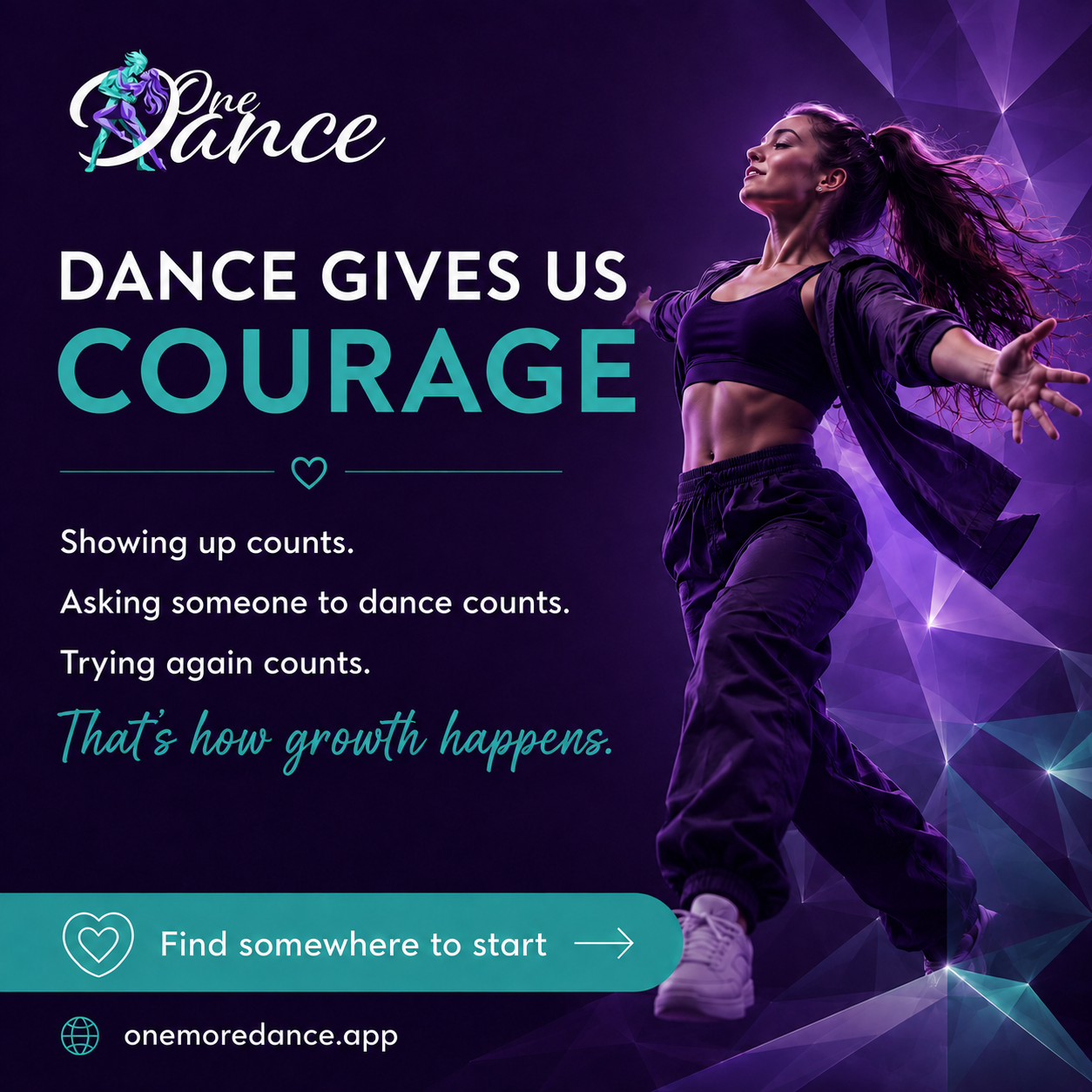
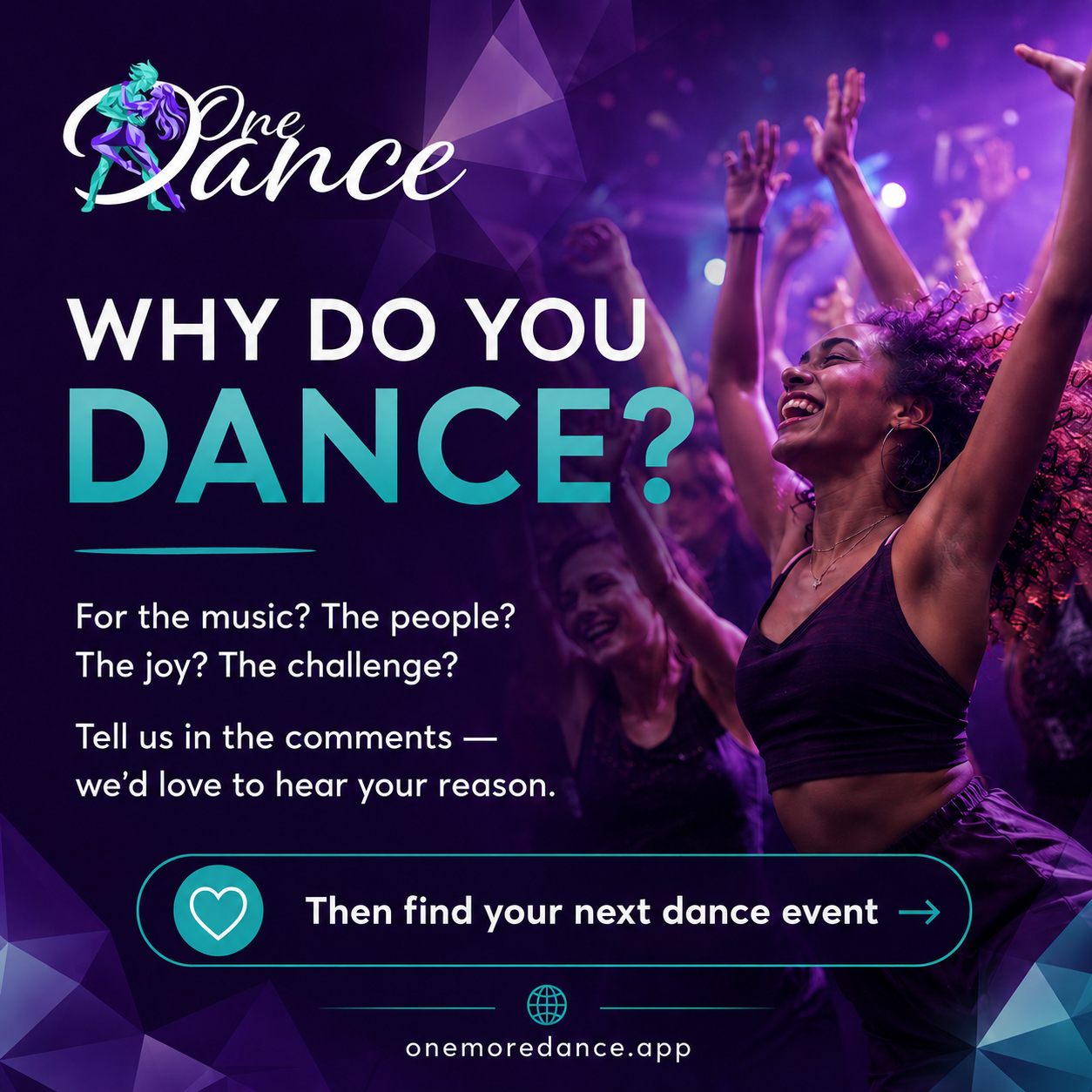
A flexible campaign system uses bold color, movement, and direct prompts to express the joy, confidence, connection, and community that bring people back to the dance floor.

Campaign in Motion
Selected social and promotional videos extend the platform’s voice beyond the product and into the community it serves.
The Product System
Searchable public listings across more than 20 dance styles, with list, map, month, and week views designed for different planning habits.
Dates, recurrence, location, style, organizer context, save-to-calendar actions, and links that help a dancer move from browsing to deciding.
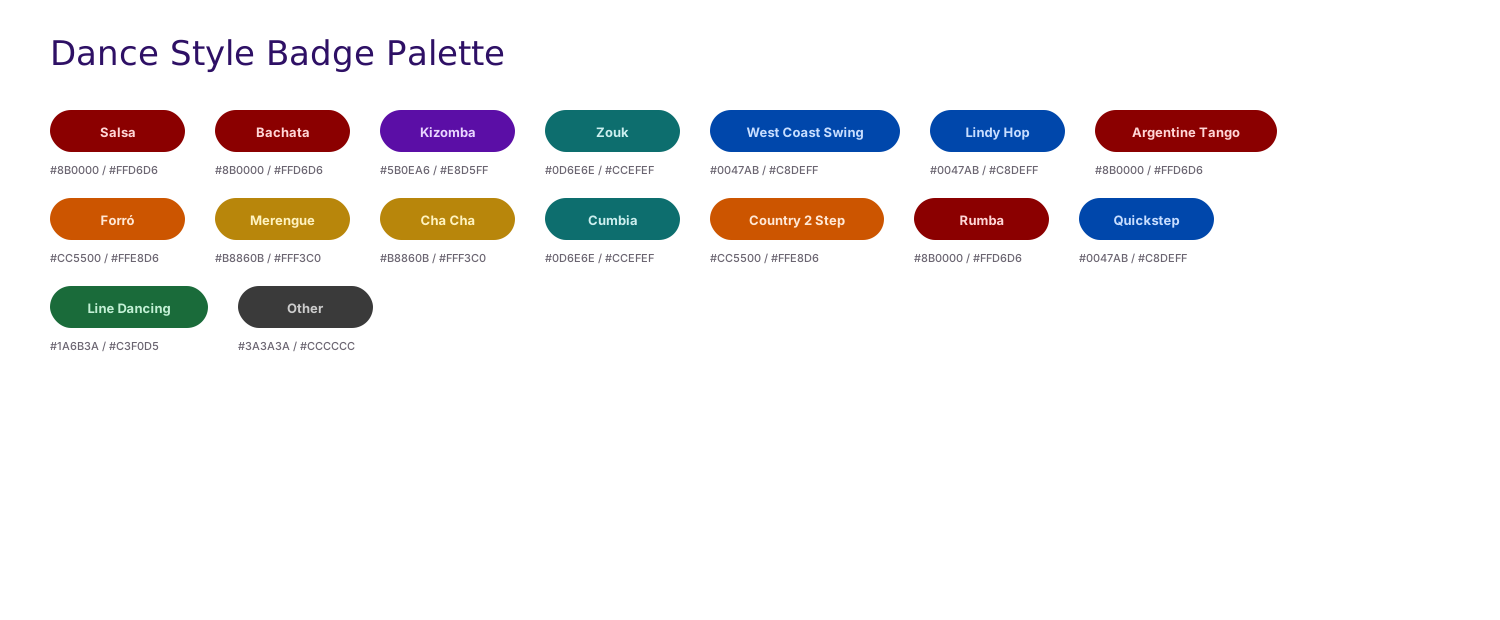
Role-aware accounts, public profiles, directory visibility, services, badges, images, and event ownership create continuity beyond one promotion.
Approvals, moderation, duplicate checks, recurring-event rules, expiration windows, and admin tools support accuracy as the catalog grows.
Authentication, organizer activation, trial controls, single-event publishing, and subscription paths connect the experience to a sustainable model.
Views, unique visitors, calendar saves, organizer-profile interest, and outbound actions are being shaped into evidence organizers can actually use.
Research as Service
Selected listings can be added from public sources, clearly identified and dated, so dancers gain useful discovery while organizers see the value of a richer profile.
Events are reviewed for duplicates, recurrence, source quality, and expiration. The goal is a useful snapshot—not an unsupported claim that every event is represented.
The reporting framework prioritizes reach and action: event views, unique viewers, saves, save rate, reliable shares, outbound clicks, referral data, and trends over the listing period.
Organizers can claim their presence, expand their profile, correct details, and become active participants in building the network rather than passive entries in a directory.
Building in Public
The earliest product work tested whether the spreadsheet idea could become a usable public experience. Rapid prototyping made the concept tangible before every system was fully defined.
Organizer onboarding and profile updates exposed real errors, including a reset problem during setup. Fixing those issues clarified the need for stronger validation, state handling, and recovery.
As the product matured, changes had to preserve authentication, roles, moderation, recurring events, payments, and analytics—not simply improve how one screen looked.
Platform Evolution
The product moved through early app and website experiments, including Base44, before growing into a live Vercel and Supabase system. That evolution required design decisions at several levels at once: the public experience, the data model, role-aware access, organizer workflows, payment logic, moderation, and the operational work required to keep information trustworthy.
Learning Through Building
Turning individual requests into reusable systems, defining what belongs in a release, and separating urgent repairs from longer-term product direction.
Learning how authentication, databases, payments, analytics, deployment, and interface behavior connect—even when the work crosses traditional role boundaries.
Building checklists, decision records, testing habits, event-review rules, and reporting definitions so growth does not depend on memory alone.
Where it stands
One More Dance is in active development. The foundation now connects public discovery, organizer identity, event operations, and early business-model testing in one system.
The larger goal
The measure of success is not simply more listings. It is making it easier for dancers to participate, organizers to be found, and the community to see how much is already happening.